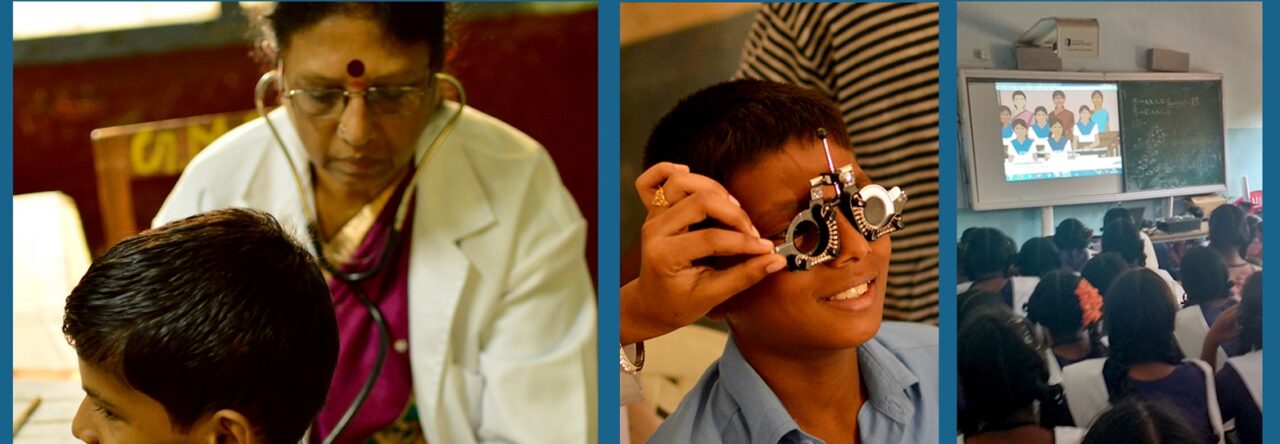
Better Health. Better Education. | CSR initiatives Bangalore Karnataka India | CSR activities Bangalore Karnataka India

Category: CSR Projects Bangalore, India

The Digital Bridge We Forget to Build

In a world saturated with technology, it’s easy to assume that basic computer knowledge is a universal skill. We expect colleagues to know their way around an email client and children to navigate educational apps with ease. We take for granted that the fundamental tools of the modern age are accessible to everyone. But for many, this digital fluency is far from a given.

ISEIDP Project in Government School, Hosahalli

A startling reality exists where thousands of students in government schools, even in major tech hubs, have never even used a computer. As the Trinity Care Foundation observed in its work, “It was really unfortunate to see these well deserving students from Government schools not having basic idea of computers.” This gap isn’t a minor inconvenience; it’s a profound injustice that erects a barrier between deserving students and their future aspirations.

Closing this gap requires more than just donating hardware; it demands a comprehensive strategy that empowers students, trains teachers, and fundamentally reshapes the learning environment itself. Here are four essential truths from the effort to bring computer education to underprivileged students.

ISEIDP Project in Government School, Hosahalli

The Digital Divide Isn’t a Global Abstraction—It’s a Local Reality.

While computer education is a standard part of the curriculum in nearly all private schools, many government and semi-government institutions are left behind. The reasons are often practical and persistent: primarily the “unavailability of working and well maintained computer lab” and the immense challenge of finding a “Quality teaching resource” to staff it.

What makes this disparity so striking is where it’s happening. This isn’t a problem confined to remote regions; it’s a pressing issue right in Bengaluru, Karnataka—one of India’s premier technology centers. In a city that powers global innovation, many of its own children lack the most basic tools to participate in the digital world. Thoughtful initiatives recognize this local context, even offering instruction in both English and Kannada medium to meet students where they are. This proves the digital divide is a stark, local reality, not a distant concept.

It’s Not Just About Tech Skills, It’s About Better Learning.

The goal of introducing computers into government schools extends far beyond teaching students how to type or use basic software. The true aim is to leverage technology to make the entire learning process more interesting, engaging, and effective across all subjects.

In this program, students use multimedia software CDs and CD ROMs to learn core subjects like Mathematics, Science, Social Science, and English. This interactive approach can “attract the students to learn progressively” and directly “enhance the learning levels of the students in curricular subjects.” The computer becomes a dynamic educational tool, not just a vocational one. As the project framework explains, the potential is transformative:

If put to right use, the computers can provide rich content that can help the students learn subjects, new techniques, get more information about various subjects, understand and apply the knowledge gained to improve overall performance standard.

Empowering Teachers Is as Critical as Equipping Students.

A computer lab is only as effective as the people who guide its use. Recognizing this, a core objective of the initiative is to equip teachers in government schools with basic computer skills. This approach creates a sustainable ecosystem of digital literacy, where empowered teachers can continuously guide new waves of students.

The benefit is twofold. First, teachers are empowered to act as true facilitators of learning in a modern classroom. Second, they gain the skills to implement “computer-assisted instruction across subjects,” integrating technology into their daily lesson plans from math to social science. This demonstrates a deep understanding that technology shouldn’t be a siloed class, but a tool woven into the very fabric of education. The program includes specific training for teachers and non-teaching staff on “Microsoft’s e-Learning Productivity Programs” and aims to update them on new teaching trends using software, ensuring the investment yields long-term returns.

Computer Literacy Is a Direct On-Ramp to Opportunity.

The program’s ultimate goal is to forge a direct on-ramp to opportunity. By equipping underprivileged students with practical skills in email, internet research, and essential software, the initiative makes them immediately more “competent and better suited for today’s job market or pursue higher studies.” In today’s economy, these skills are not optional.

By gaining computer literacy, students improve their prospects for better career options and enhance the overall quality of their education. The stakes are incredibly high, as the program’s foundational belief states that a “lack of basic computer skills can certainly be looked upon as a hindrance to an individual’s development.”

CSR Initiatives in Bangalore, India

More Than a Lab, It’s a Launchpad.

Providing computer education to students in government schools is not merely about donating hardware or setting up a lab. It is a comprehensive initiative that builds a foundation for future success. It empowers both students and teachers, enhances learning across the entire curriculum, and creates real, tangible opportunities for children who might otherwise be left behind. Each computer lab is more than just a room with screens; it’s a launchpad for a new generation of learners.

This work proves that transformative change is possible. It leaves us, as advocates and corporate leaders, with a critical question: If a single computer lab can be a launchpad, what responsibility do we have to build a whole fleet, and how many future innovators are we leaving stranded until we do?

ISEIDP JCI Project in Kolar District, Karnataka

CSR Partnership !

Trinity Care Foundation (TCF) a 18-year old Non-Governmental Organization, has the Trust registration, PAN, TAN, 12AB, 80G, Professional tax and FCRA along with CSR Form 1 under MCA. It is registered with NITI Aayog, Government of India. TCF has registered with the Ministry of Corporate Affairs for undertaking Corporate Social Responsibility (CSR) activities and the registration number is CSR00003858.

Connect with us for implementing sustainable CSR Projects in alignment with the UN’s 2030 Sustainable Development Goals. Write to us at ( support@trinitycarefoundation.org ) to connect 👈

Executed Social Projects by Trinity Care Foundation can be viewed at the link : https://www.flickr.com/photos/trinitycarefoundation/albums

School Health Project karnataka

Connect with Binu Varghese + Dr. Tony Thomas 👈 💡

Empowering Computer Education

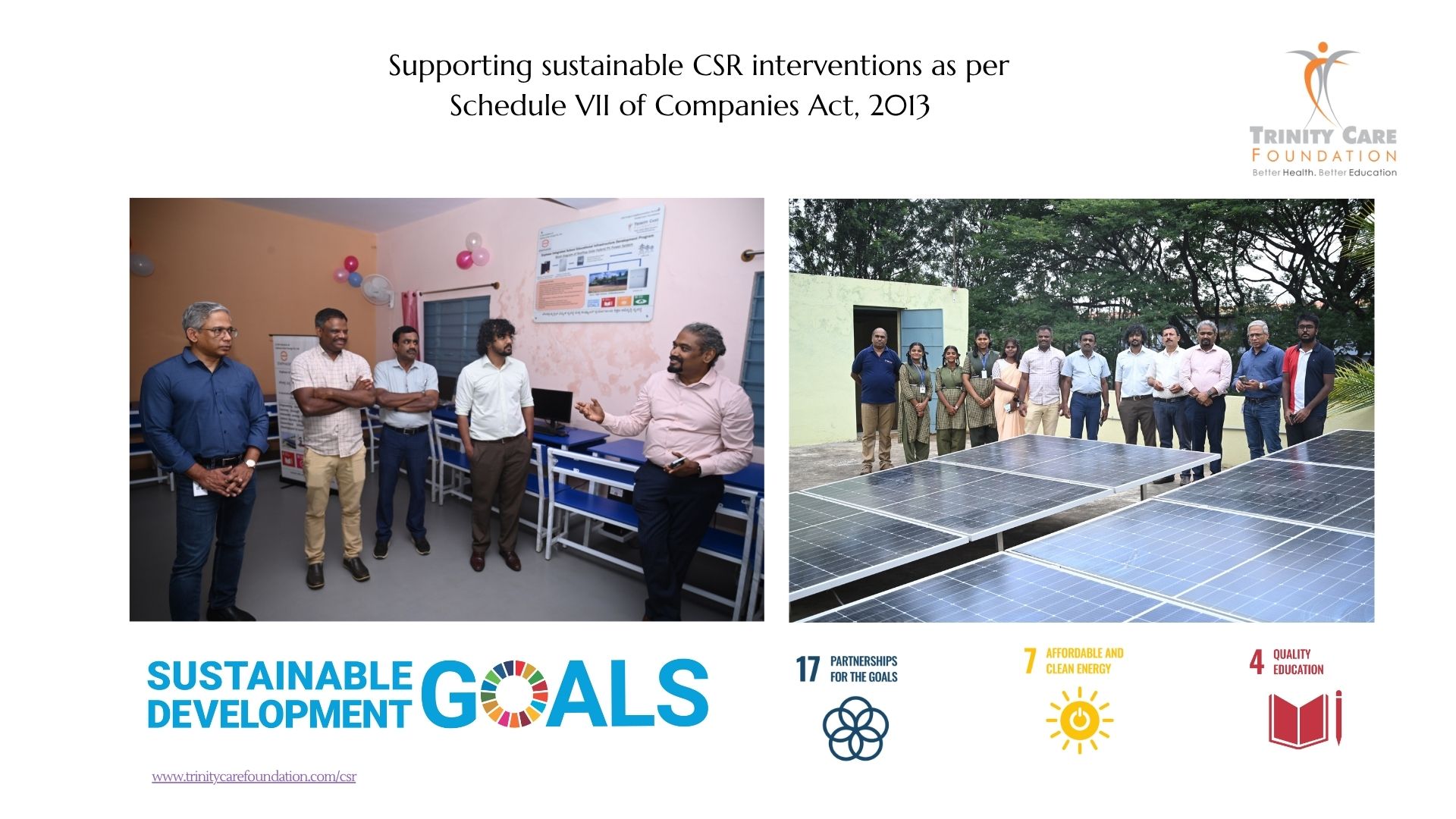
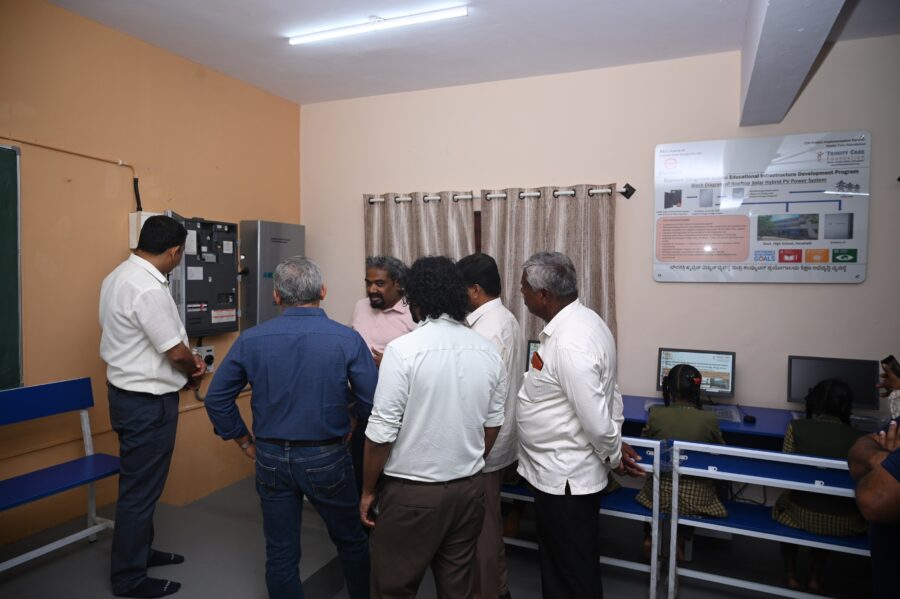
Commissioning of of the ISEIDP (Integrated School Education Infrastructure Development Program) at Government High School, Chikkabanavara, Yelahanka Taluk, Karnataka.. Under this program, a 4 kW rooftop solar photovoltaic (PV) micro-inverter-based hybrid system to provide uninterrupted power supply to the entire school.

A key highlight is the deployment of Enphase IQ Microinverter powered solar system, paired with the IQ Battery, ensuring seamless and reliable electricity-so students can continue learning without interruptions, even during power outages.

By integrating solar systems into the everyday operations of government schools, Trinity Care Foundation isn’t just reducing carbon footprints—they’re turning these institutions into learning laboratories for sustainability.

More details ~ ISEIDP Project at Government High School, Chikkabanavara

The ISEIDP initiative is made possible through Corporate Social Responsibility (CSR) partnerships with corporates that believe in sustainable development and education equity. It aligns seamlessly with SDG 7 (Affordable and Clean Energy) and SDG 4 (Quality Education).

We would be delighted to discuss further details and explore how we can work together to create a lasting impact on society. If you would like to support sustainable Corporate Social Responsibility (CSR) initiatives for marginalized communities, please feel free to request additional information or connect with us.

CSR Partnership 🤝

To help meet your corporate social responsibility (CSR) goals, Trinity Care Foundation can create specific project proposals for your organisation. Partner organisations could fund/support to conduct Outreach Programs in Karnataka state, India.

CSR Initiatives in Bangalore, India

Trinity Care Foundation (TCF) a 17-year old Non-Governmental Organization, has the Trust registration, PAN, TAN, 12AB, 80G, Professional tax and FCRA along with CSR Form 1 under MCA. It is registered with NITI Aayog, Government of India. TCF has registered with the Ministry of Corporate Affairs for undertaking Corporate Social Responsibility (CSR) activities and the registration number is CSR00003858.

Connect with us for implementing CSR Projects in alignment with the UN’s 2030 Sustainable Development Goals. Executed Social Projects by Trinity Care Foundation can be viewed at the link : https://www.flickr.com/photos/trinitycarefoundation/albums

Write to us at ( support@trinitycarefoundation.org ) to connect 👈

CSR Projects implemented in Chikkaballapura District, Karnataka

The UN SDGs provide a common framework and language for addressing the most pressing global issues, such as poverty, inequality, climate change, and peace. Achievement of SDGs is not possible through the government effort alone and calls for collective action with the civil society and private sector.

Aligning CSR with SDGs

The alignment of CSR initiatives with the SDGs in India is a powerful concept. It offers a strategic approach to ensure that corporate contributions to society are consistent with global development priorities. Here are some key-ways in which this alignment can be achieved:

  • Focus and Impact.
  • Relevance to Business.
  • Global Citizenship.
  • Collaboration and Partnerships.

Recent Corporate Social Responsibility Projects implemented by Trinity Care Foundation in Chikkaballapura District, Karnataka state can be viewed in the links below ; 👇

ISEIDP in GGHS, Gudibande
ISEIDP in Adarsh Vidyalaya, Gudibande
Corporate Social Responsibility Health initiative

Health Camp Inauguration

CSR Partnership !

To help meet your corporate social responsibility (CSR) goals, Trinity Care Foundation (TCF) can create specific project proposals for your organisation. Partner organisations could fund/support to conduct Outreach Programs in Karnataka state, India.

Trinity Care Foundation (TCF) a 16-year old Non-Governmental Organization, has the Trust registration, PAN, TAN, 12AB, 80G, Professional tax and FCRA along with CSR Form 1 under MCA. It is registered with NITI Aayog, Government of India. TCF has registered with the Ministry of Corporate Affairs for undertaking Corporate Social Responsibility (CSR) activities and the registration number is CSR00003858.

Connect with us for implementing CSR Projects in alignment with the UN’s 2030 Sustainable Development Goals. Executed Social Projects by Trinity Care Foundation can be viewed at the link : https://www.flickr.com/photos/trinitycarefoundation/albums

Connect with Binu Varghese | Dr. Tony Thomas 👈 💡

Write to us at ( support@trinitycarefoundation.org ) to connect 👈

Follow us on https://www.linkedin.com/company/trinitycarefoundation and

Invite your teams to subscribe to this newsletter.

Government of Karnataka and Trinity Care Foundation sign MOU to provide free surgeries to children born with clefts

Trinity Care Foundation (TCF) – a Public Health Organization and Rashtriya Bal Swasthya Karyakram (RBSK), Ministry of Health, Karnataka have signed an MoU on November 11, 2016 to partner to reach out to children with clefts.

Free Cleft lip surgery india

Free Cleft lip surgery India

Under the partnership, Child Health officials from 6 districts of Ramanagara, Bangalore Rural, Kolar, Chikkaballapura, Tumakuru and Chitradurga in Karnataka will direct children born with facial deformities to Trinity Care Foundation partner hospitals in Bengaluru. Prof. Dr. N. Srinath, Oral & Faciomaxillary surgeon of Trinity Care Foundation will be heading the Project. Trinity Care Foundation will also take responsibility of post-operative care to the children.
Since 2007, Trinity Care Foundation has been focusing on child health in Karnataka alone. The partnership looks at intensifying outreach so that more underprivileged children born with clefts can benefit from the free surgeries and get a chance to lead a normal life. The surgeries will be provided by Trinity Care Foundation center at Mallige Medical center, Bangalore.

RBSK 2016 TCF

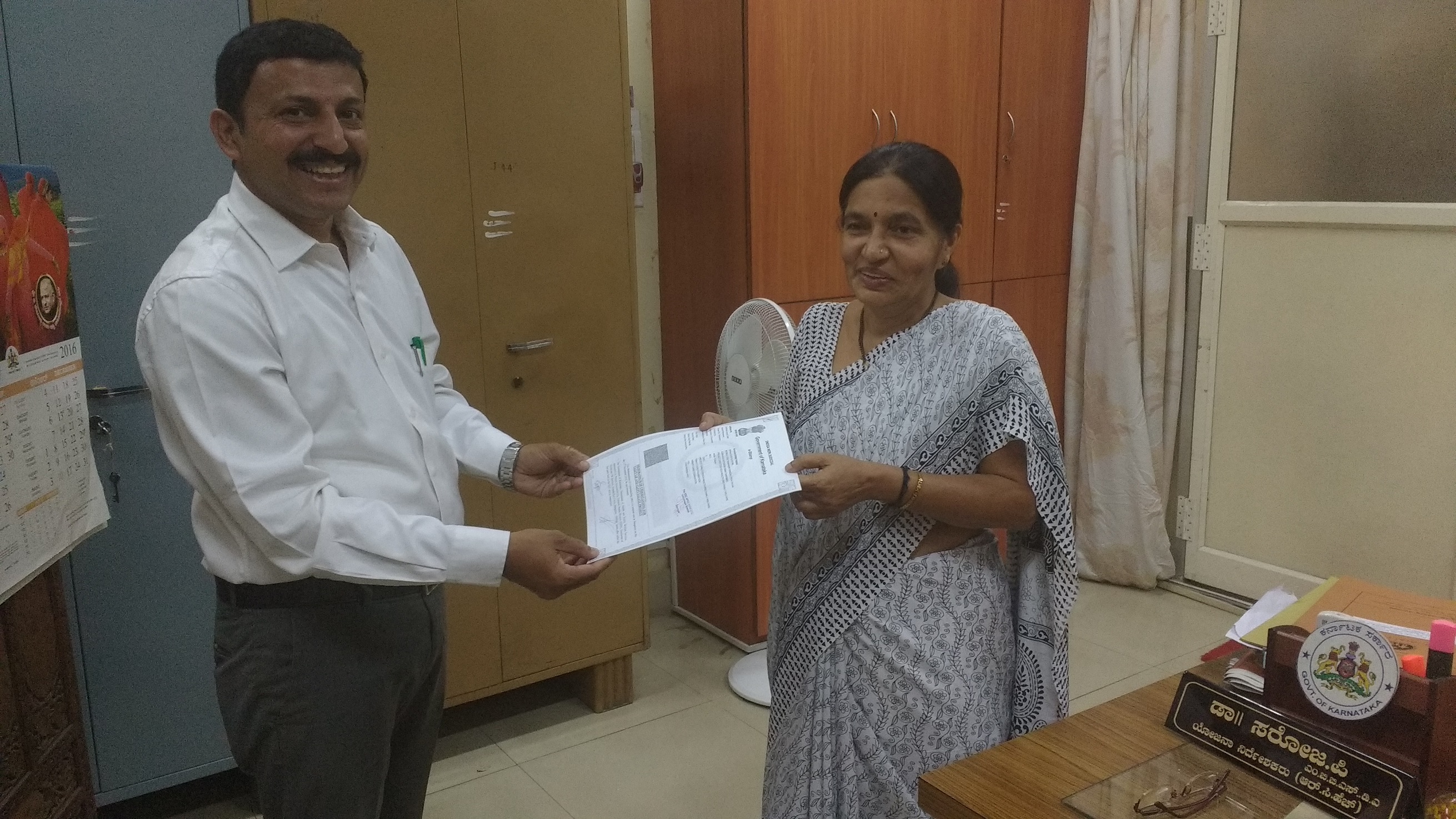
The MoU was signed by Dr. P Saroja, Project Director – (NHM), Karnataka and Dr. Tony Verghese Thomas ( Trustee ) Trinity Care Foundation in the presence of Dr. Arif Baig , Dr. Gowda and Mr. Binu Varghese (Director) Trinity Care Foundation were also present during the same.

While signing the MoU, Mr. Binu Varghese (Director) Trinity Care Foundation said “We are humbled by the partnership for the second year with RBSK in Karnataka. With the support received last year from the RBSK Teams and Health Department at the grassroot level, will enable Trinity Care Foundation to reach out to every child born with cleft lip and cleft palate in 6 districts of Karnataka State.”
Dr. P Saroja, Project Director- (NHM), Government of Karnataka said ‘We are glad to enter into a partnership with Trinity Care Foundation, for the 2nd year with Rashtriya Bal Swasthya Karyakram (RBSK) and provide free cleft surgeries through Trinity Care Foundation in Karnataka.

If you would like to create impact with Corporate Social Responsibility (CSR) Initiatives. Write to us – ” support@trinitycarefoundation.org ” . Every little life you affect is a smile won and worn on the face of a beautiful child with a future filled with many more.

About Trinity Care Foundation;

Trinity Care Foundation (TCF) is a Public Health Organization focused on enhancing the Public Health Programs effectiveness, strengthening the Community Health Programs by reaching out to the socially and economically underprivileged sections of the society both in rural and urban India. Currently, TCF focus areas are : ( School Health Program, Outreach Health Program and Facial Deformities Surgeries ) in Karnataka State, India.

Website http://www.trinitycarefoundation.com/freecleftpalatelipsurgery/

Activities implemented by TCF with track record of 9+ years in priority areas of health.Contributions to TCF eligible for inclusion under CSR spend as per the Companies Act AND eligible for 50% deduction under section 80G of the Income Tax Act. Registered with the Ministry of Home Affairs under Section 11 (1) of the Foreign Contributions (Regulation) Act (FCRA), 2010. It is also registered with the National Health Mission and NITI Aayog.

Projects : https://www.flickr.com/photos/trinitycarefoundation/albums

Cleft Info: The birth rate in India for cleft deformities is a staggering 1 in every 700 infants born . In a country like India where a large portion of the rural population still believes in superstitions, people consider children with cleft lip deformity to be bad luck and some even consider them cursed. They are often forbidden from attending school, playing with other children and even barred from leaving their homes. The project will help cleft children to go to school with confidence and self-esteem after their surgeries and treatments. The children will have less chances of getting bullied and traumatized. The families of these children will have confidence to bring up their Cleft children.

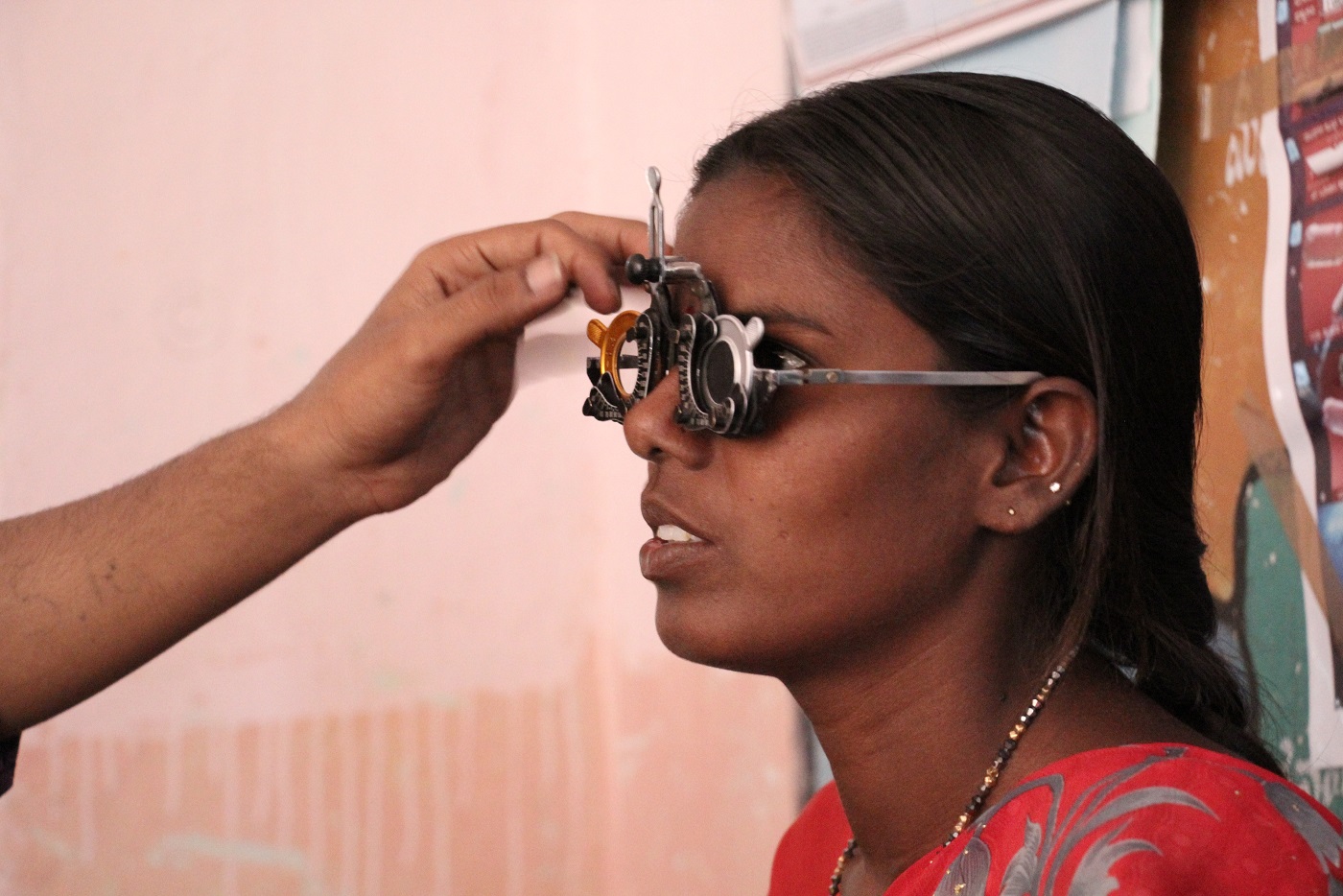
Sight test and glasses could dramatically improve the lives of 150 million people with poor vision

A simple sight test and eyeglasses or contact lenses could make a dramatic difference to the lives of more than 150 million people who are suffering from poor vision.

Children fail at school, adults are unable to work and families are pushed into poverty as a result of uncorrected visual impairment.

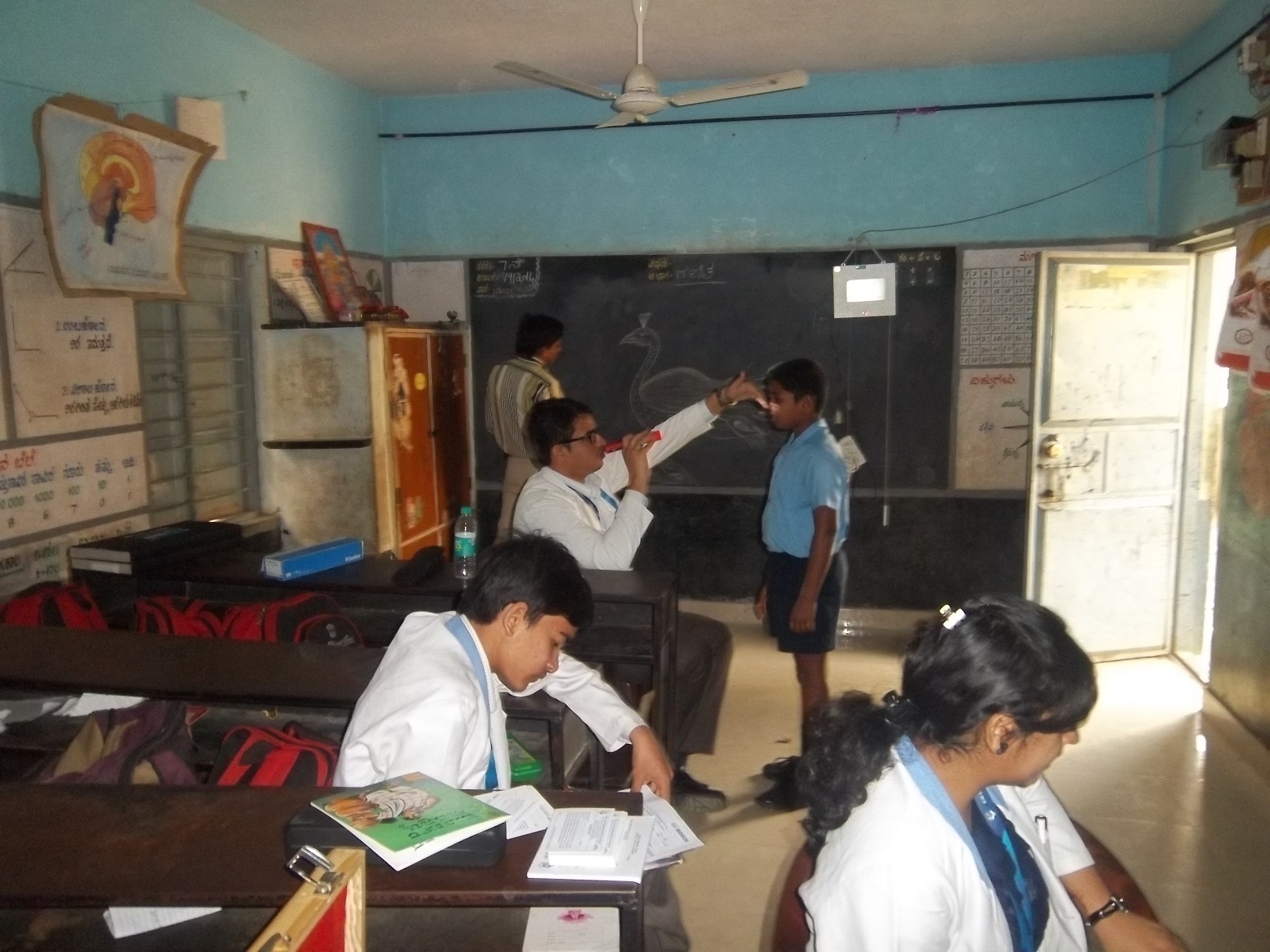
school eye screening

ON 12 October 2006, the World Health Organization (WHO) has released new global estimates which, for the first time, reveal that 153 million people around the world have uncorrected refractive errors (more commonly known as near-sightedness, far-sightedness and astigmatism).

Refractive errors can be easily diagnosed, measured and corrected with eyeglasses or contact lenses, yet millions of people in low and middle income countries do not have access to these basic services.

Refractive errors bangalore schools

Without appropriate optical correction, millions of children are losing educational opportunities and adults are excluded from productive working lives, with severe economic and social consequences. Individuals and families are frequently pushed into a cycle of deepening poverty because of their inability to see well.

At least 13 million children (age 5 to 15) and 45 million working-age adults (age 16 to 49) are affected globally. Fully 90% of all people with uncorrected refractive errors live in low and middle income countries.

“These results reveal the enormity of the problem,” said Dr Catherine Le Galès-Camus, WHO Assistant Director-General, Noncommunicable Diseases and Mental Health. “This common form of visual impairment can no longer be ignored as a target for urgent action.”

Correction of refractive errors is a simple and cost-effective intervention in eye care,” said Dr Serge Resnikoff, Coordinator of WHO’s Chronic Disease Prevention and Management unit. “Now that we know the extent of the problem of uncorrected refractive errors, especially in low and middle income countries, we must re-double our efforts to ensure that every person who needs help is able to receive it.”

Source http://www.who.int/blindness/causes/en/

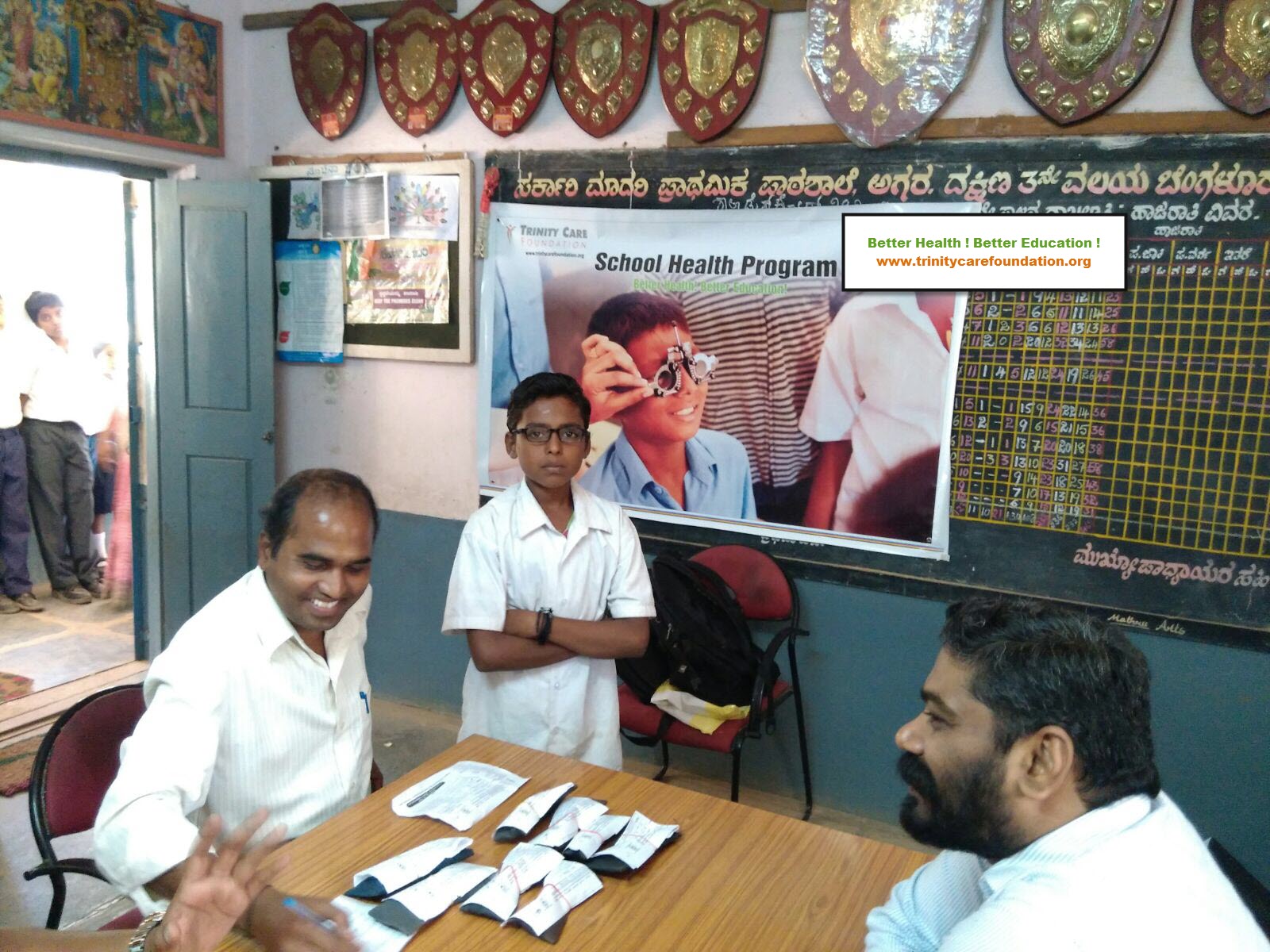
Corporate Social Responsibility eye care

Corporate Social Responsibility eye care

Refractive errors occur when the eye is not able to correctly focus images on the retina. The result is blurred vision, which is sometimes so severe that it creates functional blindness for affected individuals.

The three most common refractive errors are:

  1. Myopia (nearsightedness) – this is difficulty in seeing distant objects clearly.
  2. Hyperopia also known as Hypermetropia (farsightedness) – this is difficulty is seeing close objects clearly.
  3. Astigmatism – This is distorted vision resulting from an irregularly curved cornea.

In general, These projects reach populations who are underserved or who have limited or no access to eye health care services. The program funds high-quality, sustainable projects that deliver eye care services, develop infrastructure, train personnel and/or provide rehabilitation and education in underserved communities.
You could start Corporate Social Responsibility (CSR) Initiatives for your Company in association with us. Such healthcare projects will make CSR contribution targeted, making them simple to execute as turnkey CSR projects. ‘Promoting healthcare’ is an area identified under schedule VII of the Companies Act 2013 that is eligible to receive CSR funding either directly or through an implementing agency that has a track record.

For CSR partnership,
Write to – support@trinitycarefoundation.org or
Call Dr. Thomas +91 9880396666 or Mr.Binu +91 9880358888

Trinity Care Foundation executed CSR Projects : http://trinitycarefoundation.com/csr & https://www.flickr.com/photos/trinitycarefoundation/albums

Powered by WordPress & Theme by Anders Norén